AGP Executive Report
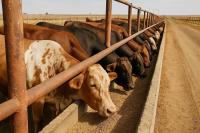
Last update: 2 hours ago| Medicine Safety: Namibia has reported no illnesses linked to the recalled NAN Special Pro HA infant formula, but the health minister says the risk is serious because infants are affected. The recall covers batch 51660742F3, sold nationwide. Pharmacy Workforce: National Pharmacy Week highlights pharmacists’ roles in medicine safety, patient counselling and reliable supply—not just dispensing. Animal Health: Foot-and-mouth disease remains confined to 18 farms in | Kharas, with 131 positive cases recorded. Vaccination and movement controls continue, as shortages and restrictions disrupt meat sellers and supplies. Care and Accountability: The health ministry is investigating the 2025 deaths of a mother and newborn at Lüderitz District Hospital; the minister says it is too early to determine whether negligence occurred. Cancer Awareness: Nearly 2,000 people joined the NHP Pink Run, promoting breast cancer awareness, screening and early detection. |
Note: AI summary from news headlines; neutral sources weighted more to help reduce bias in the result. Feedback is welcome. Please let us know if you have any comments or suggestions about the AGP Executive Report.

 Perspectify News